
7 Common Dog Feeding Mistakes That Could Harm Your Dog
Most dog feeding problems are not caused by bad intentions. They are caused by small everyday habits — an extra scoop here, a bit of dinner there, a treat slipped under the table. The short answer is simple: measure every meal, keep treats small, never share food that is toxic to dogs, and choose a food that is labelled complete and balanced. Get those four things right and you avoid nearly all of the common dog feeding mistakes that land dogs at the vet.
- Overfeeding is the number one mistake — extra weight strains joints, the heart and lifespan.
- Chocolate, grapes, xylitol, onions and garlic are toxic to dogs, even in small amounts.
- Treats and table scraps should stay under 10% of your dog's daily calories.
- Cooked bones splinter and can puncture the gut — never feed them.
- Look for an AAFCO "complete and balanced" statement on the packet.
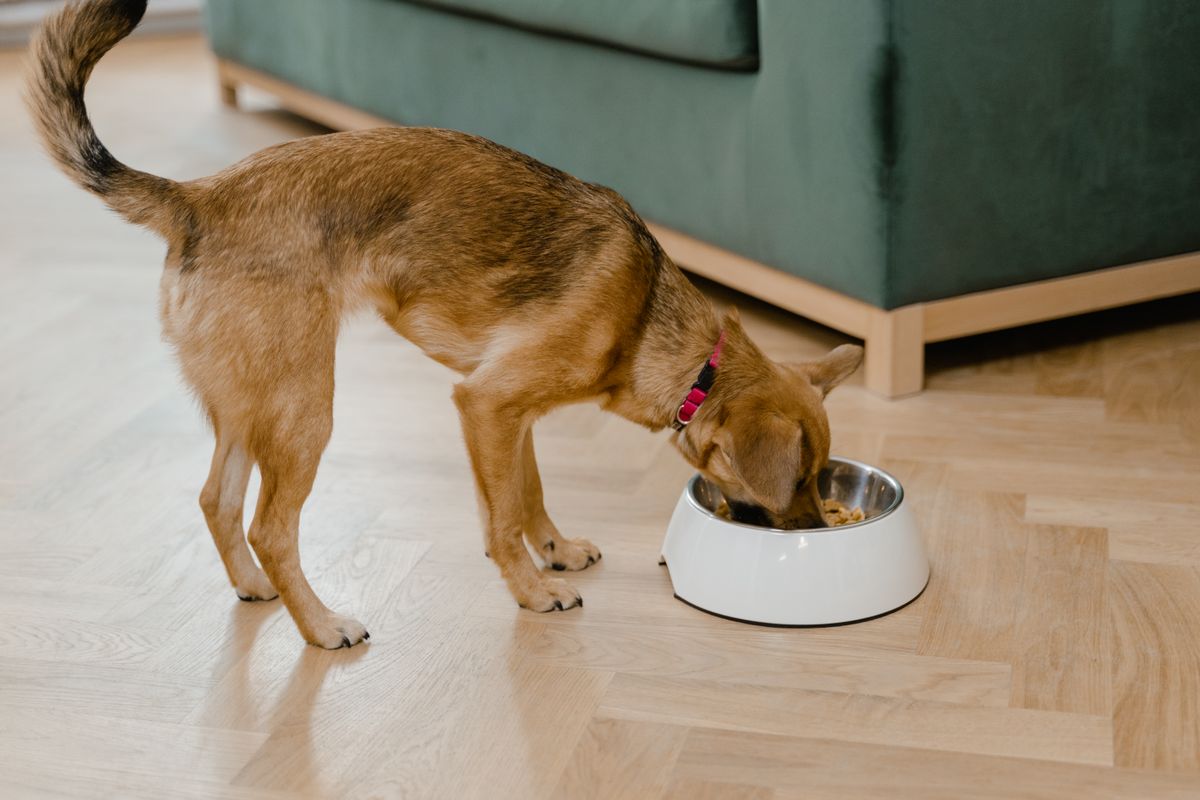
Photo: Pexels. A measured meal in the dog's own bowl is the safest way to feed.
Mistake 1: Overfeeding — the most common dog feeding mistake of all
It is the easiest mistake to make and the hardest to notice. A few extra biscuits a day do not look like much, but over months they add up to real weight gain. Overweight dogs are more likely to develop joint problems, diabetes and heart disease, and they tend to live shorter lives than lean dogs of the same breed.
The fix is boring but it works: measure food with a proper cup or kitchen scales instead of guessing, and follow the feeding guide on the packet as a starting point, not a rule. Your vet can fine-tune the amount for your dog's age, breed and activity level. A healthy dog should have a visible waist when you look down from above, and you should be able to feel the ribs easily under a thin layer of fat.
Mistake 2: Free feeding all day
Leaving a full bowl down all day — free feeding — sounds kind, but it takes away your best tool for spotting problems. When food is always available, most dogs graze past what they need, and you will not notice if your dog suddenly eats less, which is often the first sign of illness.
Feed two measured meals a day instead, morning and evening, and pick the bowl up after 20 to 30 minutes. A regular routine also helps digestion, house training and weight control, and it makes training treats far more motivating.
Mistake 3: Too many table scraps
Those pleading eyes at the dinner table are hard to resist, but human meals are usually too salty, too fatty and too seasoned for a dog's stomach. Fatty scraps in particular can trigger pancreatitis — a painful inflammation of the pancreas that can mean an emergency vet visit and a long recovery.
That does not mean your dog can never taste human food. Plain cooked chicken, carrot sticks, apple slices without pips, or a spoonful of plain pumpkin are fine in small amounts. The rule to remember is that treats and extras together should stay under about 10% of your dog's daily calories, with a proper dog food providing the rest.
Mistake 4: Toxic foods — a common dog feeding mistake that can turn into an emergency
Some everyday foods in your kitchen are genuinely dangerous for dogs. The ones every owner should know are:
- Chocolate — contains theobromine, which dogs process very slowly. Dark and baking chocolate are the most dangerous.
- Grapes and raisins — even a small amount can cause sudden kidney failure, and nobody can predict which dog will be affected.
- Xylitol — a sweetener in sugar-free gum, some peanut butters, baked goods and toothpaste. It can crash blood sugar within minutes and damage the liver.
- Onions, garlic, chives and leeks — in any form, raw, cooked or powdered, they can damage red blood cells and cause anaemia. Cats are even more sensitive than dogs, so if you share your home with a cat too, read our indoor cat care tips to keep them safe as well.
- Macadamia nuts, alcohol and raw yeast dough — all three can cause serious illness, and raw dough can expand in the stomach and produce alcohol as it ferments.
Always read the label on peanut butter, sauces and baked goods before sharing. The ASPCA keeps the most complete list of foods to avoid — see their people foods to avoid feeding your pets guide, and the American Kennel Club's guide to human foods dogs can and cannot eat is a handy second reference.
Mistake 5: Giving cooked bones
A raw bone from the butcher and a cooked bone from Sunday dinner are very different things. Cooked bones splinter when chewed, and the sharp pieces can cut the mouth, get stuck in the throat, or puncture the stomach and intestines. That is a genuine veterinary emergency, not a scare story.
Skip bones from cooked meat entirely. If your dog loves to chew, use a vet-approved chew toy or a dental chew made for the purpose instead — safer, and just as satisfying for the dog.
Mistake 6: Picking food without reading the label
Pretty packaging tells you nothing about nutrition. Before you buy, look for the AAFCO nutritional adequacy statement — words like "complete and balanced" for your dog's life stage (puppy, adult, or all life stages). That statement means the food meets recognised minimum standards for the nutrients a dog needs.
Also check that the food suits your dog's size and age. A large-breed puppy fed an adult formula, or a small senior dog fed a high-energy working-dog food, will not get the right balance. And be wary of fad diets: raw and grain-free diets sound natural, but raw meat can carry Salmonella and E. coli, and grain-free is only needed if your vet recommends it.
Mistake 7: Changing food overnight
Switching to a new brand in one go is a fast way to an upset stomach. Dogs do best with a slow changeover: mix a little of the new food into the old for three or four days, then half and half for a few more days, then fully switch. If the stools stay firm and your dog is eating happily, the new food suits them. If not, slow down or talk to your vet.
The same gradual approach applies when you change anything about feeding — new treats, a new feeding time, or a new bowl location. Dogs are creatures of habit, and their stomachs reward patience.
What should I do if my dog eats something toxic?
Do not wait for symptoms, and do not try home remedies like making your dog vomit unless a vet specifically tells you to — some substances make vomiting dangerous. Note down what your dog ate, how much, and when, then call your vet straight away. In the United States, the ASPCA Animal Poison Control Center is on (888) 426-4435. Outside the US, call your local vet or animal poison helpline. Fast action makes a real difference with chocolate, xylitol and grapes.
FAQs about dog feeding
How many times a day should I feed my dog?
Most adult dogs do well on two measured meals a day. Puppies need three to four smaller meals, and your vet can advise on the right schedule as your puppy grows.
Can dogs eat peanut butter?
Yes, in small amounts — but only if the label shows no xylitol (sometimes listed as birch sugar). Choose a natural peanut butter made from just peanuts, and keep the portion to a teaspoon or so.
Is it okay to feed my dog once a day?
Some healthy adult dogs cope with one meal, but two smaller meals are easier on digestion and help prevent bloat in large, deep-chested breeds. Ask your vet what suits your dog.
What is the healthiest thing I can add to my dog's bowl?
A spoonful of plain cooked pumpkin, some steamed green beans, or a few blueberries are all safe, low-calorie additions most dogs enjoy. Keep any extras under 10% of daily calories.
Pet Care Daily shares general pet care information only. We are not veterinarians — for health concerns, diet changes for a sick dog, or any suspected poisoning, please speak to your vet. If you also care for a cat, our indoor cat care tips cover the essentials for keeping a house cat happy and healthy.
No comments