
Thanksgiving Foods Toxic to Dogs and Cats: 9 Dishes to Keep Off Their Plate
Thanksgiving dinner is one of the riskiest meals of the year for pets. The short answer: a few small pieces of plain, boneless, skinless turkey are fine, but most of what lands on the table — the skin, the stuffing, the gravy, the desserts — can make a dog or cat seriously ill. These Thanksgiving foods toxic to dogs and cats hide in dishes that look harmless, and one slipped scrap under the table is all it takes. Here are the nine dishes to keep away, the few safe swaps, and what to do if your pet eats something they should not.
At a Glance
- Safest share: plain, boneless, skinless turkey in small amounts — everything else needs checking first.
- Biggest risk: turkey skin, fat and gravy can trigger pancreatitis.
- Truly toxic: onions, garlic, grapes, raisins, xylitol and chocolate — cats are more sensitive to onions than dogs.
- Never share: cooked bones splinter and can choke or puncture the gut; keep the carcass out of reach too.
- Before guests arrive: save your vet's number and the ASPCA poison line, (888) 426-4435.

A full Thanksgiving table is a minefield for pets. Photo: Pexels.
Why Are Thanksgiving Foods Toxic to Dogs and Cats So Dangerous?
Dogs and cats do not process food the way we do. A rich, salty, fatty meal can overwhelm a pet's gut, liver or kidneys: chocolate contains theobromine, which dogs break down very slowly; grapes can damage a dog's kidneys; onions and garlic damage red blood cells; and xylitol can crash a dog's blood sugar within an hour. Thanksgiving makes it worse because of the setting — a busy kitchen, guests handing out treats, plates at nose height — so decide the plan before the first guest arrives.
The 9 Thanksgiving Foods Toxic to Dogs and Cats
1. Turkey skin, fat trimmings and gravy. The meat is fine, but the skin and drippings are pure fat. Even a small amount can trigger pancreatitis.
2. Stuffing and dressing. Almost every stuffing recipe contains onion, garlic, leeks or chives, and sometimes raisins. Alliums damage red blood cells and can cause anaemia; cats are the most sensitive.
3. Grapes, raisins and currants. These turn up in stuffing, salads and desserts, and even a small amount can cause sudden kidney failure in dogs. If your dog eats even one grape, call your vet.
4. Chocolate and cocoa desserts. Chocolate, coffee and cocoa contain methylxanthines, which can cause vomiting, diarrhoea, panting, tremors and seizures. Dark and baking chocolate carry the highest risk.
5. Sugar-free desserts and anything with xylitol. Xylitol hides in sugar-free gum, candy, baked goods and some peanut butters. In dogs it can drop blood sugar within an hour, and larger amounts can damage the liver.
6. Raw yeast dough. Rolls left rising on the bench are a double danger: the dough expands in the stomach and causes painful bloating, and the fermenting yeast produces alcohol as it rises.
7. Cooked turkey bones and the carcass. Cooked bones splinter, and the sharp pieces can cut the mouth or puncture the gut. The carcass is just as dangerous in the bin — take it straight outside.
8. Ham and other salty, fatty meats. Ham is very salty and fatty, and the same goes for sausage and heavily seasoned meats. They can cause stomach upset and pancreatitis, so never offer them on purpose.
9. Alcohol, nutmeg, macadamia nuts and corn cobs. Alcoholic drinks and rum-soaked desserts can cause vomiting and incoordination. Nutmeg can cause agitation, macadamia nuts can cause weakness and tremors in dogs, and corn cobs can block the gut. See the ASPCA's people-foods list, and our guide to common dog feeding mistakes.
What Thanksgiving Foods Can Dogs and Cats Eat Safely?
Your pet does not have to miss out. A small "Thanksgiving plate" of their own, served in their normal bowl, keeps them happy and keeps hands away from the table. Safe choices, all plain and unseasoned: plain turkey breast (boneless, skinless, fully cooked, in small shreds), plain pumpkin puree (not pie filling), plain green beans and sweet potato with no butter or sugar, and carrot sticks or apple slices with pips and core removed. Keep every extra under about 10% of daily calories. The American Kennel Club's guide to human foods dogs can and cannot eat is a handy second reference if you are unsure about a food.
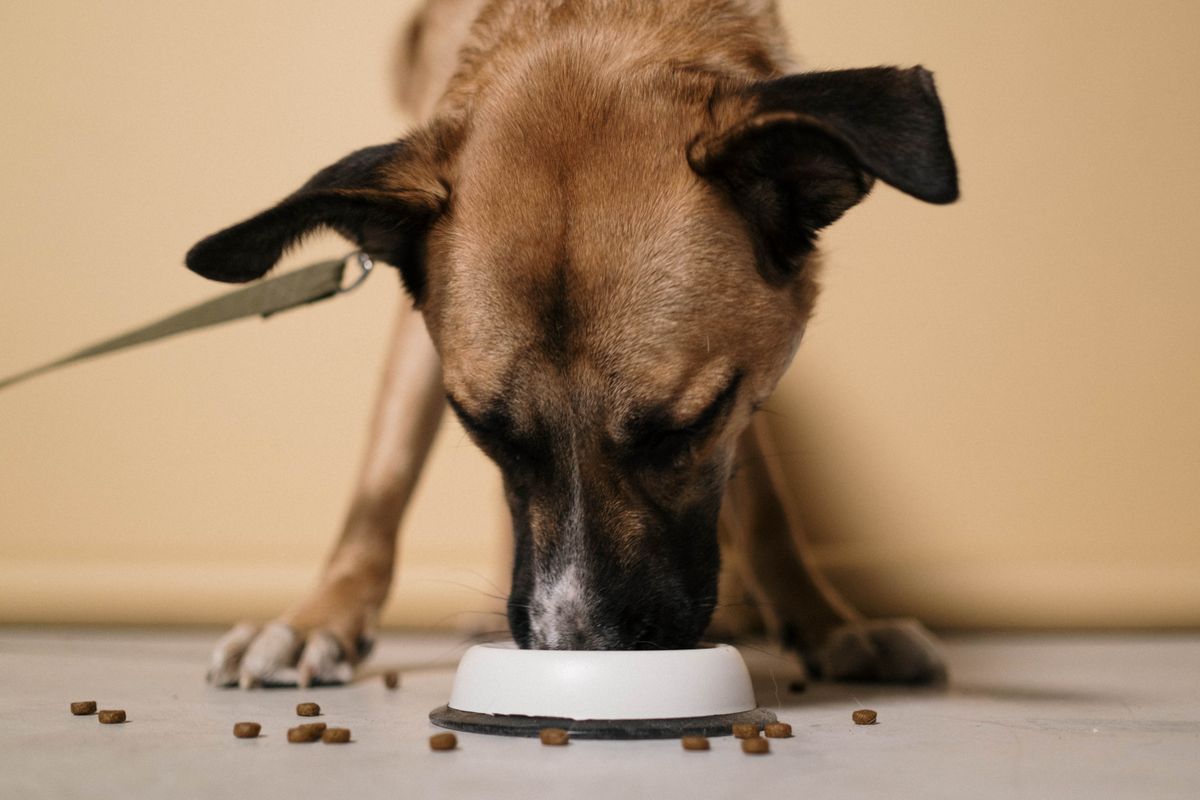
Plain turkey in their own bowl is the safest way to include your dog. Photo: Pexels.
Are Cats at Greater Risk From Thanksgiving Foods?
Cats are more sensitive than dogs to onions, garlic and chives, so even the crumbs from stuffing matter. Cats also climb: a cat can reach a cooling turkey on the bench, a pie on the sideboard or a glass on a low table. String, twine and foil are another cat-specific danger — string can block the gut if swallowed. And check the flowers: lilies are a common Thanksgiving centrepiece, and every part of the plant — even the pollen — can cause kidney failure in cats, so do not bring them into a house with a cat.

Cats climb to the table — and grapes on a plate are within easy reach. Photo: Pexels.
What Should I Do If My Dog or Cat Eats Something Toxic?
Do not wait for symptoms, and do not try home remedies like making your pet vomit unless a vet specifically tells you to — with some substances, vomiting makes things worse. Note down what your pet ate, how much, and when, and keep any packaging. Then call your vet straight away. In the United States, the ASPCA Animal Poison Control Center is on (888) 426-4435, and the Pet Poison Helpline is on (855) 764-7661.
How Do I Keep Pets Safe During Thanksgiving Dinner?
Feed your pet their normal meal before guests arrive. Put a baby gate across the kitchen while you cook, and brief every guest with one clear rule: no food from the table, and no food from hands. Keep drinks on high tables, the bin locked or behind a closed door, and your pet's safe plate ready before you sit down.
Final Thoughts
Thanksgiving is a wonderful day to share with your pets. Plain turkey in their own bowl, a quiet room during dinner, and a locked bin are all it takes to keep the day safe. Before Thursday, organise your pet's safe plate plan and save the poison control number in your phone. And if you have a cat as well as a dog, read our indoor cat care tips before the guests arrive.
Frequently Asked Questions
Can dogs eat Thanksgiving turkey?
Yes, in small amounts — plain, boneless, skinless, fully cooked white turkey meat is the safest share. Never give the skin, the bones, or seasoned turkey.
Is stuffing toxic to dogs and cats?
Usually yes, because most stuffing contains onion, garlic, leeks or chives, and sometimes raisins. Keep it away from pets, and call your vet if your pet eats any.
What should I do if my cat eats a grape or raisin?
Call your vet or a poison helpline straight away, even for one grape. Do not wait for symptoms — early treatment makes a real difference.
Can I give my dog pumpkin pie?
No. Pie filling contains sugar, spices and nutmeg, and it may contain xylitol or raisins. Plain cooked pumpkin is the safe version — a spoonful in their bowl is plenty.
Pet Care Daily shares general pet care information only. We are not veterinarians — if your pet shows signs of illness or eats something toxic, please speak to your vet or call a poison helpline straight away.
No comments