
Winter Dog Care Tips: 7 Ways to Keep Your Dog Warm and Safe
Winter changes the rules for dog walks. The short answer: most dogs are comfortable above 45°F (7°C), small or short-coated dogs start to struggle below freezing, and below 20°F (−7°C) every dog is at risk of hypothermia and frostbite. These winter dog care tips cover the temperature guide vets use, coats and paws, the warning signs to watch for, and how to keep walks short, safe and still fun.
At a Glance
- Comfort zone: most dogs are fine above 45°F (7°C); below 32°F (0°C), small or thin-coated dogs need a coat and shorter walks.
- Danger line: below 20°F (−7°C), keep every dog's outdoor time brief — frostbite and hypothermia become real risks for all breeds.
- Paws first: check paws after every walk — wipe off salt and grit, and look for cracks and ice between the toes.
- Emergency signs: shivering that suddenly stops, stumbling or pale gums mean warm your dog gently and call the vet.
- Hidden dangers: never leave a dog in a cold car, and keep antifreeze well out of reach.

Winter can be joyful for dogs — with the right preparation. Photo: Pexels.
How Cold Is Too Cold for Dogs?
There is no single number that is too cold for every dog, because a husky and a chihuahua live in very different bodies. Vets agree on a rough guide: above 45°F (7°C) is comfortable for nearly all dogs; from 32°F to 45°F, small and thin-coated breeds may want a sweater; from 20°F to 32°F is the caution zone, where small dogs, puppies, seniors and dogs with health problems need a coat; below 20°F (−7°C) is potentially dangerous for any dog, so keep outdoor time brief; below 0°F (−18°C) means toilet breaks only.
The thermometer only tells part of the story. Wind, rain and a wet coat matter more than a few degrees: a dry, still 25°F afternoon is far safer than a damp, blustery 35°F one. Watch your dog's behaviour, not just the thermometer — slowing down, hunching with a tucked tail or lifting paws all mean it is time to go inside.
Which Dogs Need Extra Winter Dog Care Tips?
Puppies and senior dogs lose body heat quickly, and so do small and toy breeds, lean dogs with little body fat, and any dog with a short or single coat — think greyhounds, boxers, chihuahuas and dachshunds. Dogs with arthritis often stiffen up in the cold, and dogs with heart disease, diabetes or kidney problems can struggle to regulate their temperature.
Double-coated northern breeds — huskies, malamutes, samoyeds, Bernese mountain dogs and Newfoundlands — carry a dense insulating undercoat built for winter, and many genuinely love snow. Even they are not immune: below 20°F, with wind and wet snow, any dog's outdoor time should be short.
How Do I Protect My Dog's Paws in Winter?
Your dog's paws do the hardest work all winter. Road salt dries and cracks the pads, chemical de-icers can burn, and dogs lick their paws clean afterwards — so whatever they stepped in ends up in their mouths. Ice balls that form between the toes pinch with every step.
Wipe paws, legs and belly with a warm, damp cloth after every walk, and check for cracks, bleeding and ice between the toes. A thin smear of paw balm helps in dry cold, and booties are best on heavily salted pavements — look for sturdy, non-slip soles and adjustable straps. Trim the fur between the toes, and use a pet-safe de-icer on your own paths.
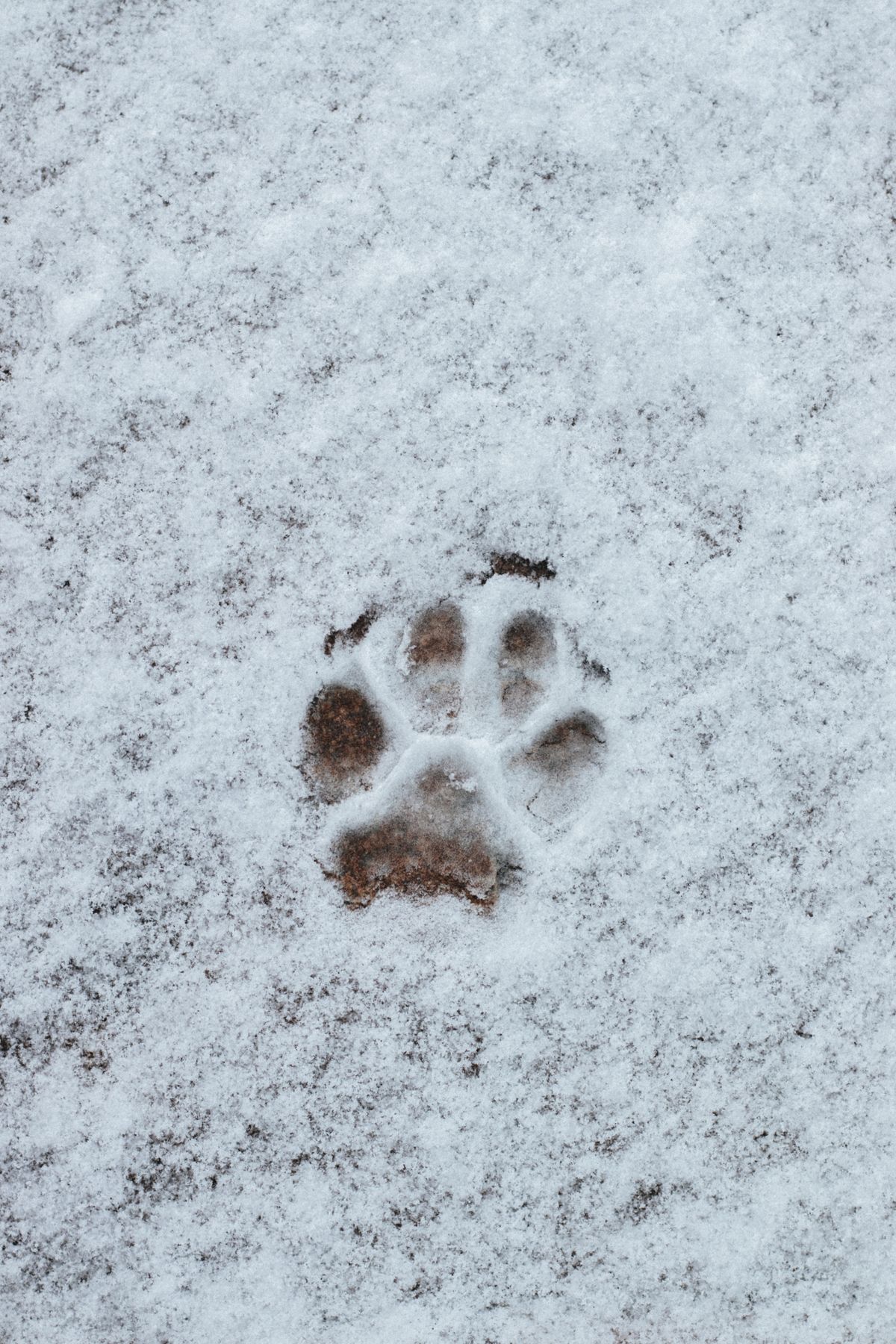
Paws take the hardest punishment in winter — check them after every walk. Photo: Pexels.
What Are the Signs of Frostbite and Hypothermia in Dogs?
Frostbite hits the parts farthest from the heart first — the ear tips, the tail and the paws. Watch for skin that looks pale, grey or bluish and feels cold, hard or brittle, pain when touched, swelling or blisters. The damage can take days to show, so call your vet if you suspect it.
Hypothermia lowers the temperature of the whole body. The American Kennel Club describes mild hypothermia as about 90 to 99°F, moderate at 82 to 90°F, and severe below 82°F. The danger sign is when shivering stops and the dog becomes sleepy, weak or unsteady — that is an emergency.
Move your dog somewhere warm and dry, pat them dry rather than rubbing, and wrap them in dry blankets. Warm frostbitten areas gently with lukewarm water — never hot — and never use direct heat on numb skin. Do not rub frostbitten skin, and never give human pain medicine. Then call your vet. The Dogs Best Life winter dog safety guide covers the same first-aid steps.
Does My Dog Need a Winter Coat?
Not every dog does — a healthy, thick-coated adult can manage most winter days without one. But a coat makes a real difference for small dogs, short-coated dogs, puppies, seniors, and any dog that shivers or slows down outside. Choose one that covers the back and fastens snugly around the belly. A waterproof outer layer matters most: a wet coat stops insulating.
Keep a spare dry coat by the door, and always take the coat off indoors — a damp coat left on will chill them. Introduce booties at home first, with treats. If your dog truly hates booties, paw balm plus a wipe-down after every walk is a workable second best.

A well-fitting waterproof coat buys real comfort for small and short-coated dogs. Photo: Pexels.
Winter Dog Care Tips for Feeding, Water and Indoor Comfort
Dogs that spend a lot of time active outdoors burn more energy staying warm and may need a little more food — but ask your vet before increasing portions. Measure meals rather than guessing, and read our guide to common dog feeding mistakes.
Fresh water matters just as much in winter — check bowls regularly, because water freezes, and eating snow is not a substitute for drinking. Give your dog a warm, draught-free bed raised off cold floors. Keep antifreeze locked away and clean up spills at once: it tastes sweet, and even a small amount can be deadly. Never leave a dog in a parked car in winter, and swap one long walk for two shorter ones on the bitterest days.
Final Thoughts
Winter with a dog is mostly common sense: dress for the dog you have, keep walks shorter as it gets colder, and check paws every time you come home. Before the first freeze, set up a warm bed and a paw-washing station by the door. And if you share your home with a cat too, our indoor cat care tips will help.
Frequently Asked Questions
How cold is too cold for dogs to walk?
Most dogs are comfortable above 45°F (7°C). Below freezing, small, thin-coated, young, old or unwell dogs need a coat and shorter walks.
Do dogs need boots in snow?
Not every dog, but boots help a lot on salted pavements and in deep snow. If your dog will not wear them, use paw balm and wipe their paws afterwards.
Can dogs get frostbite?
Yes — frostbite most often affects the ear tips, tail and paws. Warm the area gently with lukewarm water, never rub it, and call your vet.
Should I feed my dog more in winter?
Only if your dog spends a lot of time active outdoors — those dogs burn more energy staying warm. A mostly-indoor dog usually needs the same amount or less. Ask your vet before changing portions.
Pet Care Daily shares general pet care information only. We are not veterinarians — if your dog shows signs of hypothermia, frostbite or illness, please speak to your vet straight away.
No comments